Proper menstrual waste management is an important part of maintaining hygiene, cleanliness, and environmental responsibility. Schools, colleges, hospitals, offices, shopping malls, hotels, and public washrooms generate sanitary napkin waste every day. Without an appropriate disposal system, used sanitary napkins can create unpleasant odours, hygiene concerns, and waste-handling difficulties.
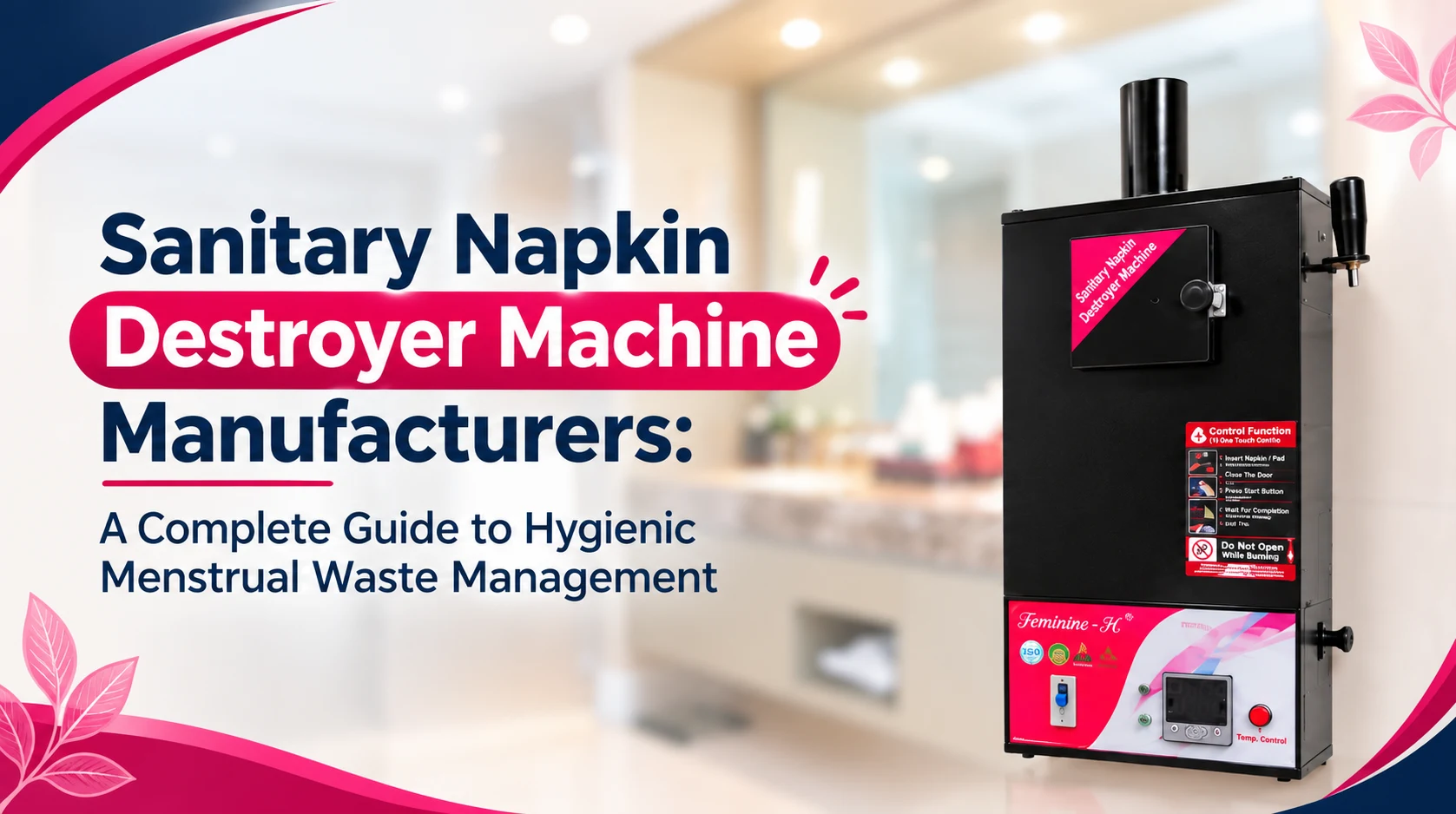
A sanitary napkin destroyer machine provides a convenient solution for managing used sanitary pads in designated disposal areas. Depending on the technology, these machines may use controlled thermal treatment or other approved destruction methods to process menstrual waste. They can help organisations establish a more organised and hygienic disposal process.
As awareness of menstrual hygiene continues to grow, many institutions are looking for reliable sanitary waste management equipment. Choosing experienced Sanitary Napkin Destroyer Machine Manufacturers is an important step towards finding a solution that meets the facility’s requirements, safety standards, and maintenance needs.
Nature Care Solutions focuses on sanitary hygiene and waste management solutions designed to support cleaner washrooms and more responsible disposal practices. Understanding the features, applications, and selection criteria of sanitary napkin destroyer machines can help businesses and institutions make informed purchasing decisions.
What Is a Sanitary Napkin Destroyer Machine?
A sanitary napkin destroyer machine is a device designed to process used sanitary napkins through a specified destruction or treatment method. It is generally installed in designated washroom areas or other approved waste management locations to make menstrual waste handling more convenient.
The machine’s operating mechanism depends on its design. Some systems use controlled heat to reduce waste volume, while others may employ different treatment technologies. Buyers should confirm the actual technology, capacity, operating procedure, and waste output of the model they intend to purchase.
Unlike ordinary waste bins, which only collect used sanitary pads, a destroyer machine is intended to process waste according to its specific operating method.
These machines can be useful in locations where regular sanitary waste is generated and a dedicated disposal system is needed. However, the machine should always be selected and operated according to applicable waste management rules, manufacturer instructions, and site safety requirements.
Why Choose Professional Sanitary Napkin Destroyer Machine Manufacturers?
Selecting the right manufacturer is essential for ensuring that a sanitary waste disposal system suits the needs of the facility. A reliable supplier can help buyers understand the machine’s capabilities, installation requirements, and ongoing operating costs.
Here are some important reasons to work with experienced manufacturers.
1. Quality and Reliable Construction
A well-designed machine should be suitable for its intended environment and expected usage. Buyers should review the materials, construction quality, electrical components, safety features, and expected service life before purchasing.
Manufacturing quality can affect the machine’s reliability and the frequency of maintenance required.
2. Appropriate Capacity Options
Different establishments produce different quantities of sanitary waste. A small office may require a different solution from a large hospital, college, or commercial facility.
Professional manufacturers can help buyers compare available capacities and select equipment according to daily usage, peak demand, and collection frequency.
3. Safety Features
Safety is especially important when a machine uses electricity, heating elements, moving components, or an enclosed treatment chamber.
Depending on the model, useful safety provisions may include temperature controls, protective enclosures, automatic shut-off mechanisms, and electrical protection. Buyers should verify which features are actually provided rather than assuming that every model includes them.
4. Installation and Maintenance Support
A machine needs proper installation, suitable ventilation where required, and routine servicing. Before purchasing, organisations should ask about installation guidance, maintenance schedules, spare parts, warranty coverage, and technical support.
These details help prevent avoidable operating problems.
5. Clear Product Documentation
A dependable manufacturer should provide relevant operating instructions, technical specifications, safety information, and guidance on handling the machine’s output.
Clear documentation helps facility managers train staff and establish a consistent disposal procedure.
Key Features to Consider When Buying a Sanitary Napkin Destroyer Machine
Before choosing a machine, buyers should compare specifications instead of selecting a product based only on its price or appearance.
Efficient Waste Processing
The machine should be capable of handling the expected type and quantity of sanitary waste. Ask the manufacturer about processing time, recommended loading limits, and daily operating capacity.
Avoid assuming that a machine can process unlimited quantities or all types of menstrual products.
User-Friendly Operation
Simple operating controls can make a machine easier to use in schools, offices, hospitals, and commercial washrooms.
Clear instructions and straightforward loading procedures also help reduce operating errors.
Odour and Emission Management
Odour control is an important consideration in indoor washroom environments. Depending on the technology, a machine may require suitable exhaust arrangements, filtration, or other emission controls.
Buyers should ask for technical details and applicable test documentation rather than relying on general claims that a machine is completely odour-free or emission-free.
Energy Consumption
Electricity consumption contributes to the total cost of operating the machine. Compare the rated power, average energy use per cycle, operating duration, and expected number of cycles per day.
This information can help organisations estimate monthly operating expenses.
Easy Cleaning and Maintenance
A sanitary napkin destroyer machine should have a practical cleaning and servicing procedure. Check how frequently the machine needs maintenance, whether specialised technicians are required, and how residue or other output must be handled.
Compact and Suitable Design
Washroom space can be limited, particularly in smaller offices and educational institutions. The dimensions, placement requirements, access clearance, and ventilation needs should be reviewed before installation.
Applications of Sanitary Napkin Destroyer Machines
Sanitary napkin destroyer machines can support menstrual waste management in a variety of settings, provided the selected model is suitable for the location and its operating conditions.
Schools and Colleges
Educational institutions need hygienic washrooms where students can manage menstruation comfortably and discreetly. A designated disposal system can help improve waste-handling practices and support menstrual hygiene awareness.
Schools and colleges should choose equipment appropriate for their student population and ensure that staff understand its safe operation.
Hospitals and Healthcare Facilities
Hospitals and healthcare centres may generate sanitary waste in patient washrooms, staff facilities, and other designated areas.
Healthcare administrators should assess whether the proposed machine is suitable for the specific waste stream. Sanitary napkins mixed with infectious or other regulated healthcare waste may require separate handling under applicable biomedical waste rules.
Corporate Offices
Offices can benefit from organised sanitary waste management in women’s washrooms. A suitable machine may help facility teams establish a defined process for handling used sanitary napkins and maintaining washroom cleanliness.
Shopping Malls and Commercial Buildings
Shopping centres, entertainment venues, and large commercial buildings experience varying washroom usage throughout the day. Equipment capacity, service access, and maintenance requirements are particularly important in these locations.
Hotels and Hospitality Facilities
Hotels and hospitality businesses aim to maintain clean and comfortable guest washrooms. A designated sanitary waste management system can form part of a broader hygiene programme.
Public and Community Washrooms
Community facilities and public washrooms may need robust solutions that are straightforward to operate and maintain. Buyers should consider expected footfall, access to electricity, supervision, and the availability of regular servicing.
How Does a Sanitary Napkin Destroyer Machine Work?
The operating process depends on the machine’s technology. Buyers should always follow the model-specific instructions provided by the manufacturer.
A typical process may involve the following steps:
- Waste collection: Used sanitary napkins are collected or placed in the designated loading area according to the machine’s instructions.
- Safe loading: The operator checks the loading limit and ensures that prohibited materials are not introduced.
- Processing: The machine uses its specified treatment or destruction mechanism to process the waste.
- Completion and cooling: Where applicable, the machine completes its cycle and allows the processed material to reach the required safe handling condition.
- Output handling: Any remaining residue or processed material is collected and disposed of according to the manufacturer’s guidance and applicable waste management requirements.
- Cleaning and inspection: The equipment is cleaned and inspected at the recommended intervals.
Important: Not every machine completely destroys sanitary napkins, and a reduction in waste volume does not automatically mean that the output is sterile or safe for ordinary disposal. Buyers should verify the treatment method, emissions, residue characteristics, and final disposal requirements before making a decision.
Benefits of Installing a Sanitary Napkin Destroyer Machine
Improved Washroom Hygiene
A dedicated disposal system can help organisations manage menstrual waste more systematically. When combined with regular cleaning and appropriate waste collection, it can support better washroom hygiene.
More Organised Waste Handling
A defined disposal process helps housekeeping teams understand how sanitary waste should be collected, processed, and removed.
Better Menstrual Hygiene Facilities
Providing suitable disposal facilities can make washrooms more convenient for people who menstruate. It can also help institutions develop a more inclusive approach to menstrual hygiene management.
Potential Reduction in Waste Volume
Certain destruction technologies can reduce the volume of sanitary waste. The actual reduction depends on the technology, product composition, and operating conditions.
Support for Hygiene Awareness
Installing appropriate equipment can be part of a wider effort to encourage responsible sanitary waste disposal and improve awareness among students, employees, visitors, and facility staff.
Convenient Facility Management
When a machine is properly selected and maintained, it can help facility managers establish a more consistent waste-handling procedure.
The overall benefits depend on installation quality, maintenance, usage patterns, and compliance with waste disposal requirements.
Sanitary Napkin Destroyer Machine Manufacturers: How to Choose the Right Supplier
Finding a suitable supplier requires more than comparing product prices. Organisations should evaluate the manufacturer’s technical knowledge, documentation, support, and ability to meet their specific requirements.
Consider these factors before making a purchase.
- Product specifications: Review processing capacity, machine dimensions, power requirements, operating method, and recommended usage.
- Safety and compliance: Ask for relevant certifications, test reports, safety documentation, and details of compliance with applicable Indian regulations.
- Warranty and service: Confirm the warranty period, service availability, spare-parts supply, and maintenance costs.
- Installation requirements: Understand the electrical connection, ventilation, mounting, and space requirements before installation.
- Operating expenses: Compare the purchase price with electricity consumption, consumables, maintenance, and residue handling costs.
- Customer support: Choose a supplier that can explain the product clearly and provide appropriate assistance when required.
- Product suitability: Ensure that the machine is designed for the type of sanitary waste generated at your facility.
A careful evaluation helps buyers choose equipment that is practical, safe, and suitable for long-term use.
Nature Care Solutions for Sanitary Waste Management
Nature Care Solutions is a brand relevant to organisations seeking sanitary hygiene and waste management solutions. When evaluating a sanitary napkin destroyer machine, buyers should identify the features that matter most for their premises and compare them with the technical specifications of the available products.
A suitable solution should consider the expected volume of sanitary waste, washroom size, installation conditions, power availability, safety provisions, maintenance requirements, and final waste disposal process.
Nature Care Solutions can be positioned around the importance of practical menstrual waste management, hygienic washroom practices, and informed equipment selection.
For institutions planning to upgrade their sanitary disposal facilities, the first step is to assess the number of users, daily waste generation, available space, and service requirements. This assessment helps establish a realistic equipment specification before purchasing.
Note: Confirm the specific product range, features, certifications, and after-sales services offered by Nature Care Solutions before publishing product-specific claims.
Installation and Maintenance Best Practices
Even a suitable machine requires proper installation and regular maintenance to operate effectively.
Choose an Appropriate Location
Install the machine in a designated area that meets the manufacturer’s requirements. Ensure that authorised users can access it easily while maintenance staff can safely inspect and service the equipment.
Follow Operating Instructions
Train the relevant staff to use the machine correctly. Explain loading limits, prohibited materials, operating cycles, emergency procedures, and output handling.
Maintain a Cleaning Schedule
Clean the machine at the recommended intervals using the approved method. Staff should follow suitable hygiene precautions when handling used sanitary waste and cleaning equipment.
Arrange Regular Inspection
Check the machine for visible damage, unusual noise, electrical issues, or other signs that servicing may be needed. Stop using the equipment if a safety-related fault occurs and contact an authorised service provider.
Handle Residue Responsibly
Follow the manufacturer’s instructions and applicable local rules for disposing of ash, residue, untreated waste, or other output. Do not assume that processed material can automatically be placed in ordinary municipal waste.
These practices help organisations establish a more dependable and responsible sanitary waste management system.
Frequently Asked Questions (FAQs)
1. What is a sanitary napkin destroyer machine?
A sanitary napkin destroyer machine is equipment designed to process used sanitary pads through a specified destruction or treatment method. Its exact function depends on the technology and model.
2. Who needs a sanitary napkin destroyer machine?
Schools, colleges, offices, hospitals, hotels, shopping malls, and other facilities that generate sanitary waste may consider these machines if the equipment is suitable for their waste management requirements.
3. How do I select the right sanitary napkin destroyer machine?
Compare the machine’s capacity, operating technology, safety features, electricity consumption, installation requirements, warranty, maintenance needs, and residue disposal procedure.
4. Are sanitary napkin destroyer machines environmentally friendly?
Their environmental impact depends on the technology, energy consumption, emissions, and final disposal of processed material. Buyers should review relevant test reports and ensure compliance with applicable environmental requirements.
5. What maintenance does a sanitary napkin destroyer machine require?
Maintenance may include routine cleaning, inspection of electrical and mechanical components, checking safety features, and servicing according to the manufacturer’s instructions. Requirements vary by model.
6. Can a sanitary napkin destroyer machine be installed in schools?
Yes, a suitable model may be considered for schools and colleges. The institution should evaluate student usage, installation safety, supervision, staff training, and waste disposal procedures.
7. What should I ask sanitary napkin destroyer machine manufacturers before buying?
Ask about processing capacity, treatment technology, safety features, power consumption, installation, warranty, service support, certifications, emissions, and the correct disposal method for the machine’s output.
8. Why consider Nature Care Solutions?
Nature Care Solutions is the brand featured in this guide for sanitary hygiene and waste management. Buyers should contact the company to confirm current product availability, specifications, pricing, installation support, and warranty terms.