Menstrual hygiene is an essential part of personal health, workplace hygiene, and environmental responsibility. As awareness about menstrual health continues to grow, schools, colleges, offices, hospitals, shopping centres, and public facilities are looking for better ways to manage used sanitary pads. Traditional disposal methods, such as throwing sanitary pads into ordinary dustbins or flushing them down toilets, can create hygiene problems, unpleasant odours, and plumbing blockages.
This is where sanitary pad disposal machines become useful. These machines provide a designated solution for collecting and, depending on the model, treating used sanitary pads to support cleaner and more organised washrooms.
Choosing reliable Sanitary Pad Disposal Machine Manufacturers is an important step for organisations that want to improve menstrual hygiene facilities. Nature Care Solutions focuses on the importance of practical hygiene solutions that help institutions create cleaner, more comfortable, and responsible environments.
What Is a Sanitary Pad Disposal Machine?
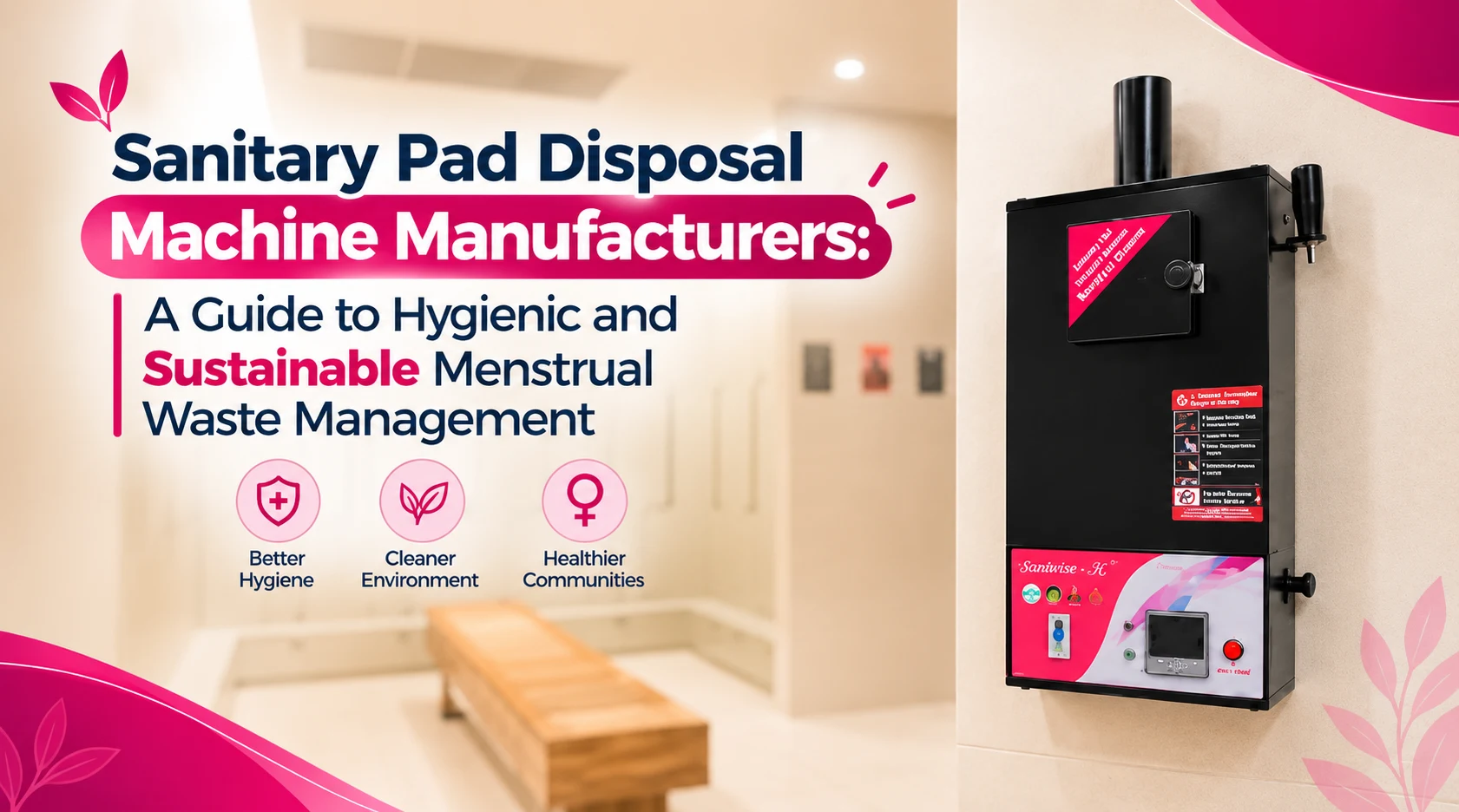
A sanitary pad disposal machine is a device designed to help manage used sanitary napkins in a controlled and hygienic manner. Depending on its technology, the machine may collect, contain, shred, or thermally treat sanitary waste.
These machines are commonly installed in women’s washrooms to provide a convenient disposal option without requiring users to handle waste directly.
Different machines use different methods. Some models are designed primarily for collection and containment, while others use heating or incineration technology to reduce waste volume. Therefore, buyers should understand the machine’s operating method, capacity, safety features, and disposal requirements before making a decision.
Professional sanitary pad disposal machine manufacturers help buyers identify equipment suitable for their specific premises and daily usage.
Why Are Sanitary Pad Disposal Machines Important?
Used sanitary pads require appropriate handling because they contain absorbent materials and may be contaminated with bodily fluids. Improper disposal can create unpleasant washroom conditions and increase the risk of exposure for cleaning staff.
Installing a suitable disposal system offers several advantages.
1. Improved Washroom Hygiene
A dedicated disposal machine helps create a designated place for used sanitary pads. When properly maintained, it can reduce visible waste, minimise direct handling, and support better washroom hygiene.
2. Better Menstrual Hygiene Facilities
Access to convenient disposal facilities can make menstrual hygiene management easier for students, employees, patients, visitors, and other washroom users.
Schools, colleges, and workplaces can improve their hygiene infrastructure by providing suitable disposal options alongside sanitary napkin vending machines and accessible waste bins.
3. Reduced Plumbing Problems
Flushing sanitary pads can block toilets and drainage systems because most sanitary napkins are not designed to break down in water like toilet paper.
A dedicated disposal facility encourages users to dispose of sanitary products appropriately instead of flushing them.
4. Better Waste Management Practices
A suitable machine can form part of a broader menstrual waste management system. Depending on the technology used, it may help contain waste or reduce its volume.
However, installing a machine alone does not complete the waste management process. Organisations must also arrange safe handling, cleaning, maintenance, and final disposal according to applicable local requirements.
5. Greater Privacy and Convenience
A properly installed disposal machine provides users with a convenient disposal option within the washroom. Features such as a covered opening, clear instructions, and odour-control systems can improve the overall experience.
How Does a Sanitary Pad Disposal Machine Work?
The operating process depends on the model and technology. Generally, a sanitary pad disposal machine works through the following steps:
Step 1: Waste Insertion
The user places the used sanitary pad into the designated opening. The design should minimise direct contact with the waste and make operation straightforward.
Step 2: Collection or Processing
In a collection-based machine, the waste is stored inside a designated compartment. In a treatment-based machine, the equipment processes the waste using its specified mechanism, such as controlled heating or incineration.
Step 3: Waste Containment or Volume Reduction
Collection systems contain waste until it can be removed safely. Treatment systems may reduce the volume of waste, depending on their technology and operating conditions.
Step 4: Cleaning and Maintenance
The machine must be inspected, cleaned, and serviced according to the manufacturer’s instructions. Collection compartments should be emptied safely, while treatment-based systems require appropriate checks and handling of any remaining residue.
Before purchasing equipment, buyers should confirm the exact process, consumables, maintenance schedule, and waste disposal procedure.
Types of Sanitary Pad Disposal Machines
Sanitary pad disposal machine manufacturers may offer different technologies to meet the needs of various institutions. Understanding the main categories helps buyers make informed decisions.
1. Electric Sanitary Pad Incinerators
Electric sanitary pad incinerators use electrical heating to treat used sanitary napkins. Depending on their design, these machines may reduce waste volume and leave ash or other residue that requires appropriate handling.
When evaluating an electric incinerator, check its power consumption, operating temperature, cycle time, safety controls, ventilation requirements, and compliance with applicable environmental rules.
2. Automatic Sanitary Pad Disposal Machines
Automatic models may include sensors, automatic operating cycles, or other features designed to reduce manual interaction. Their functions vary by manufacturer and product model.
Buyers should check whether the machine actually processes the waste or simply collects it automatically. They should also verify the safety mechanism, capacity, and maintenance requirements.
3. Manual or Collection-Based Disposal Systems
Some disposal systems focus on collecting used sanitary pads in a dedicated compartment rather than treating them inside the unit. These can be suitable for facilities with an established waste collection process.
The organisation must ensure that collected waste is removed, transported, and disposed of through an appropriate waste management arrangement.
The best choice depends on the number of users, available infrastructure, budget, applicable regulations, and the organisation’s waste management arrangements.
Key Features to Look for When Choosing a Manufacturer
Selecting the right manufacturer involves more than comparing prices. Buyers should evaluate product quality, safety, usability, and after-sales support.
1. Appropriate Machine Capacity
Capacity is one of the most important purchasing considerations. A small office may have different requirements from a large school, college, hospital, or shopping centre.
Estimate the number of users and expected daily waste volume before selecting a machine. Ask the manufacturer to explain its recommended capacity and operating limits.
2. Safety Features
Safety is particularly important for machines that use high temperatures or electrical heating. Look for appropriate insulation, secure doors, overheat protection, clear operating instructions, and suitable electrical safeguards.
Confirm that the installation and ventilation arrangements meet the equipment specifications and applicable safety requirements.
3. Ease of Operation
A user-friendly machine should be simple to operate and maintain. Clear instructions, an accessible disposal opening, and straightforward cleaning procedures can help staff manage the equipment efficiently.
4. Energy Efficiency
For electrically operated equipment, compare power ratings and estimated energy consumption per operating cycle. Actual consumption depends on the model, usage pattern, and operating conditions.
Choosing a machine that meets your capacity requirements without unnecessary energy use can help manage long-term operating costs.
5. Maintenance and After-Sales Service
Regular maintenance helps keep equipment functioning as intended. Before purchasing, ask about warranty coverage, spare parts, service availability, preventive maintenance, and staff training.
A manufacturer that provides clear technical documentation can make long-term operation easier.
6. Compliance and Environmental Responsibility
Do not assume that every disposal machine is automatically environmentally compliant. Ask for relevant product documentation and verify whether the proposed installation meets the applicable local pollution-control, waste-handling, electrical, and fire-safety requirements.
For thermal treatment equipment, buyers should specifically check emissions requirements and the authorised method for handling the resulting ash or residue.
Who Should Install Sanitary Pad Disposal Machines?
Sanitary pad disposal machines can support menstrual hygiene management in many types of facilities.
Schools and Colleges
Educational institutions can install suitable disposal facilities in girls’ washrooms to improve menstrual hygiene infrastructure. Machines should be selected according to student strength, washroom usage, staff availability, and maintenance capacity.
Corporate Offices
Offices can provide dedicated sanitary waste disposal facilities to create more comfortable and hygienic washrooms for employees and visitors.
Hospitals and Healthcare Facilities
Hospitals and healthcare establishments need carefully planned sanitary waste management systems. The selected equipment must be appropriate for the waste category, facility procedures, and applicable biomedical waste requirements. A general sanitary pad disposal machine should not be assumed to be suitable for all healthcare waste.
Shopping Malls and Public Buildings
Shopping malls, transport facilities, commercial buildings, and other public spaces may experience high washroom usage. Suitable disposal systems can help facility managers maintain cleaner washrooms and organise waste collection.
Factories and Industrial Workplaces
Factories and industrial workplaces can include menstrual hygiene facilities as part of their employee welfare and washroom management arrangements. Equipment selection should consider the number of users, operating environment, and maintenance access.
Why Choose Nature Care Solutions?
When evaluating sanitary pad disposal machine manufacturers, buyers should look for a practical approach to hygiene, reliable product information, and support throughout the equipment’s working life.
Nature Care Solutions is the brand to consider when exploring sanitary hygiene and waste management solutions for institutional and commercial settings. Organisations assessing its offerings should confirm the specific models available, their technical specifications, installation requirements, and after-sales service arrangements before purchasing.
A well-planned disposal system should address the complete process, from user convenience and safe operation to regular maintenance and responsible waste handling.
Before finalising a purchase from Nature Care Solutions or any other supplier, buyers should ask for the following information:
- Available machine models and disposal technologies.
- Daily capacity and recommended number of users.
- Power requirements and estimated operating costs.
- Safety features and installation requirements.
- Warranty terms and service support.
- Cleaning, maintenance, and consumable requirements.
- Waste handling procedures and applicable compliance documentation.
These checks help organisations select equipment based on practical needs rather than relying only on promotional claims or initial purchase price.
How to Select the Right Sanitary Pad Disposal Machine
If you are planning to purchase a sanitary pad disposal machine, follow a structured evaluation process.
First, assess your requirements. Identify the installation location, expected number of users, and estimated daily waste volume.
Second, compare available technologies. Decide whether you require a collection-based system or a machine that processes sanitary waste. Each option has different operating and disposal requirements.
Third, evaluate the total cost. Consider purchase price, installation, electricity, maintenance, consumables, servicing, and final waste disposal.
Fourth, verify safety and compliance. Review technical documentation and confirm that the selected machine and its installation comply with applicable requirements.
Finally, review manufacturer support. Ask about installation assistance, operator training, warranty coverage, spare parts, and service response arrangements.
Following these steps can help schools, offices, hospitals, and commercial establishments choose a solution that matches their operational requirements.
Future of Sanitary Waste Management in India
Menstrual hygiene management is becoming an increasingly important part of public health awareness, workplace facilities, and institutional infrastructure. As organisations look for better washroom solutions, sanitary pad disposal machines can contribute to more organised collection and treatment processes.
However, technology must be supported by user education, appropriate waste segregation, trained cleaning staff, regular maintenance, and responsible disposal practices.
Manufacturers and suppliers also have an important role in providing clear technical information and helping buyers understand the capabilities and limitations of their equipment.
For organisations planning new hygiene facilities or upgrading existing washrooms, evaluating reliable sanitary pad disposal machine manufacturers is a practical step towards improving menstrual waste management.
Nature Care Solutions can be considered as part of this evaluation process, subject to confirmation of the specific products, technical capabilities, and support services available.
Frequently Asked Questions (FAQs)
1. What do sanitary pad disposal machine manufacturers provide?
Sanitary pad disposal machine manufacturers produce or supply equipment designed to collect, contain, or treat used sanitary napkins. Depending on the product range, they may also provide installation guidance, maintenance instructions, and technical support.
2. Which sanitary pad disposal machine is best for schools?
The best machine depends on student strength, daily usage, available space, electrical infrastructure, budget, and waste handling arrangements. Schools should prioritise safe operation, easy maintenance, and appropriate capacity.
3. Can sanitary pad disposal machines be installed in offices?
Yes. Suitable models can be installed in office washrooms, provided that the selected equipment matches the expected usage, installation requirements, and applicable safety and waste management rules.
4. Are sanitary pad disposal machines environmentally friendly?
Their environmental impact depends on the technology and the complete waste management process. Collection-based systems require appropriate downstream disposal, while thermal treatment systems must be evaluated for energy use, emissions, and residue handling. Buyers should verify relevant environmental requirements before installation.
5. What should I check before buying a sanitary pad disposal machine?
Check capacity, technology, safety features, power consumption, maintenance requirements, warranty, service support, installation needs, and compliance documentation. Also confirm how the waste or treatment residue will be handled.
6. Do sanitary pad disposal machines require regular maintenance?
Yes. Regular inspection, cleaning, and servicing are important. Collection-based models require safe emptying and waste removal, while thermal treatment models may require additional checks according to the manufacturer’s instructions.
7. Why consider Nature Care Solutions for sanitary waste management?
Nature Care Solutions can be included in your supplier evaluation when exploring sanitary hygiene solutions. Before purchasing, confirm the available machine models, specifications, warranty, service coverage, and suitability for your facility.