Nature Care Solutions

Articles

Sanitary Napkin Destroyer Machine Manufacturers
Articles

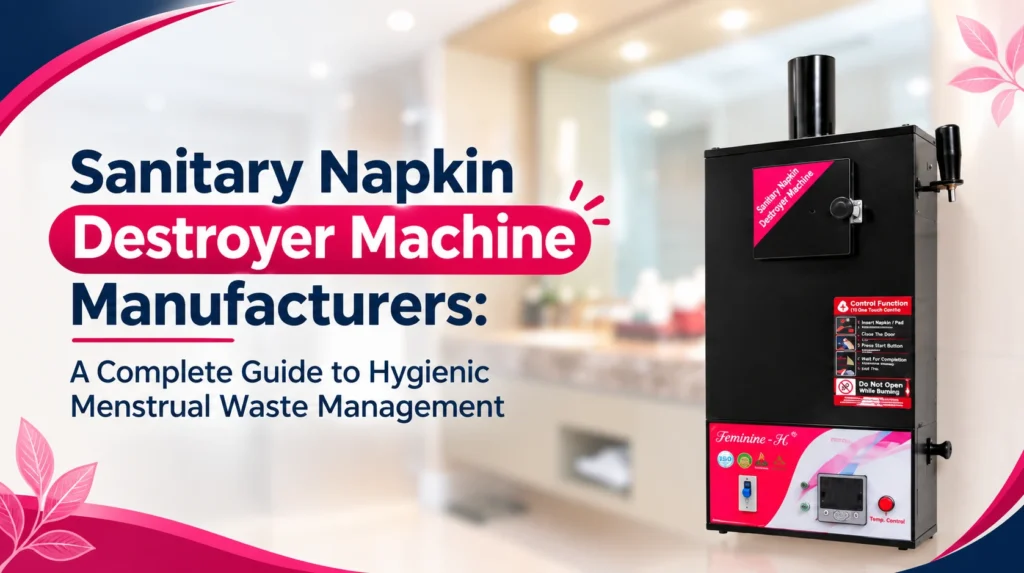
Sanitary Napkin Destroyer Machine Manufacturers: A Complete Guide to Hygienic Menstrual Waste Management

Proper menstrual waste management is an important part of maintaining hygiene, cleanliness, and environmental responsibility. Schools, colleges, hospitals, offices, shopping malls, hotels, and public washrooms generate sanitary napkin waste every day. Without an appropriate disposal system, used sanitary napkins can create unpleasant odours, hygiene concerns, and waste-handling difficulties. A sanitary napkin destroyer machine provides a convenient solution for managing used sanitary pads in designated disposal areas. Depending on the technology, these machines may use controlled thermal treatment or other approved destruction methods to process menstrual waste. They can help organisations establish a more organised and hygienic disposal process. As awareness of menstrual hygiene continues to grow, many institutions are looking for reliable sanitary waste management equipment. Choosing experienced Sanitary Napkin Destroyer Machine Manufacturers is an important step towards finding a solution that meets the facility’s requirements, safety standards, and maintenance needs. Nature Care Solutions focuses on sanitary hygiene and waste management solutions designed to support cleaner washrooms and more responsible disposal practices. Understanding the features, applications, and selection criteria of sanitary napkin destroyer machines can help businesses and institutions make informed purchasing decisions. What Is a Sanitary Napkin Destroyer Machine? A sanitary napkin destroyer machine is a device designed to process used sanitary napkins through a specified destruction or treatment method. It is generally installed in designated washroom areas or other approved waste management locations to make menstrual waste handling more convenient. The machine’s operating mechanism depends on its design. Some systems use controlled heat to reduce waste volume, while others may employ different treatment technologies. Buyers should confirm the actual technology, capacity, operating procedure, and waste output of the model they intend to purchase. Unlike ordinary waste bins, which only collect used sanitary pads, a destroyer machine is intended to process waste according to its specific operating method. These machines can be useful in locations where regular sanitary waste is generated and a dedicated disposal system is needed. However, the machine should always be selected and operated according to applicable waste management rules, manufacturer instructions, and site safety requirements. Why Choose Professional Sanitary Napkin Destroyer Machine Manufacturers? Selecting the right manufacturer is essential for ensuring that a sanitary waste disposal system suits the needs of the facility. A reliable supplier can help buyers understand the machine’s capabilities, installation requirements, and ongoing operating costs. Here are some important reasons to work with experienced manufacturers. 1. Quality and Reliable Construction A well-designed machine should be suitable for its intended environment and expected usage. Buyers should review the materials, construction quality, electrical components, safety features, and expected service life before purchasing. Manufacturing quality can affect the machine’s reliability and the frequency of maintenance required. 2. Appropriate Capacity Options Different establishments produce different quantities of sanitary waste. A small office may require a different solution from a large hospital, college, or commercial facility. Professional manufacturers can help buyers compare available capacities and select equipment according to daily usage, peak demand, and collection frequency. 3. Safety Features Safety is especially important when a machine uses electricity, heating elements, moving components, or an enclosed treatment chamber. Depending on the model, useful safety provisions may include temperature controls, protective enclosures, automatic shut-off mechanisms, and electrical protection. Buyers should verify which features are actually provided rather than assuming that every model includes them. 4. Installation and Maintenance Support A machine needs proper installation, suitable ventilation where required, and routine servicing. Before purchasing, organisations should ask about installation guidance, maintenance schedules, spare parts, warranty coverage, and technical support. These details help prevent avoidable operating problems. 5. Clear Product Documentation A dependable manufacturer should provide relevant operating instructions, technical specifications, safety information, and guidance on handling the machine’s output. Clear documentation helps facility managers train staff and establish a consistent disposal procedure. Key Features to Consider When Buying a Sanitary Napkin Destroyer Machine Before choosing a machine, buyers should compare specifications instead of selecting a product based only on its price or appearance. Efficient Waste Processing The machine should be capable of handling the expected type and quantity of sanitary waste. Ask the manufacturer about processing time, recommended loading limits, and daily operating capacity. Avoid assuming that a machine can process unlimited quantities or all types of menstrual products. User-Friendly Operation Simple operating controls can make a machine easier to use in schools, offices, hospitals, and commercial washrooms. Clear instructions and straightforward loading procedures also help reduce operating errors. Odour and Emission Management Odour control is an important consideration in indoor washroom environments. Depending on the technology, a machine may require suitable exhaust arrangements, filtration, or other emission controls. Buyers should ask for technical details and applicable test documentation rather than relying on general claims that a machine is completely odour-free or emission-free. Energy Consumption Electricity consumption contributes to the total cost of operating the machine. Compare the rated power, average energy use per cycle, operating duration, and expected number of cycles per day. This information can help organisations estimate monthly operating expenses. Easy Cleaning and Maintenance A sanitary napkin destroyer machine should have a practical cleaning and servicing procedure. Check how frequently the machine needs maintenance, whether specialised technicians are required, and how residue or other output must be handled. Compact and Suitable Design Washroom space can be limited, particularly in smaller offices and educational institutions. The dimensions, placement requirements, access clearance, and ventilation needs should be reviewed before installation. Applications of Sanitary Napkin Destroyer Machines Sanitary napkin destroyer machines can support menstrual waste management in a variety of settings, provided the selected model is suitable for the location and its operating conditions. Schools and Colleges Educational institutions need hygienic washrooms where students can manage menstruation comfortably and discreetly. A designated disposal system can help improve waste-handling practices and support menstrual hygiene awareness. Schools and colleges should choose equipment appropriate for their student population and ensure that staff understand its safe operation. Hospitals and Healthcare Facilities Hospitals and healthcare centres may generate sanitary waste in patient washrooms, staff facilities, and other designated areas. Healthcare administrators should assess
Automatic Sanitary Napkin Vending Machine Manufacturers
Articles

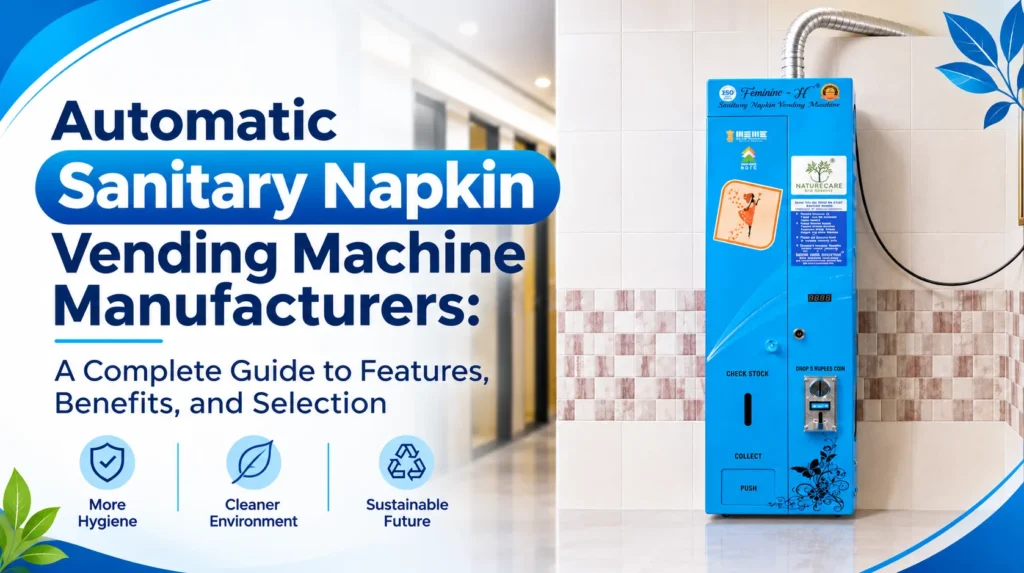
Automatic Sanitary Napkin Vending Machine Manufacturers: A Complete Guide to Features, Benefits, and Selection

Menstrual hygiene is an essential part of women’s health, comfort, and overall well-being. Access to sanitary napkins should not depend on the availability of nearby shops or the time of day. Schools, colleges, offices, hospitals, shopping malls, railway stations, and other public places can help address this need by installing sanitary napkin vending machines. As awareness of menstrual hygiene continues to grow, organizations are looking for convenient, hygienic, and accessible ways to provide sanitary products. This has increased interest in automatic sanitary napkin vending machine manufacturers that offer practical solutions for different environments. An automatic sanitary napkin vending machine allows users to obtain sanitary pads quickly and conveniently. Depending on the model, the machine may operate through a coin mechanism, a digital payment system, a button, or another dispensing method. Nature Care Solutions focuses on hygiene-related solutions that support cleaner facilities and improved access to essential menstrual care products. Understanding the features, benefits, and applications of vending machines can help institutions choose a suitable solution for their requirements. What Is an Automatic Sanitary Napkin Vending Machine? An automatic sanitary napkin vending machine is a device designed to dispense sanitary pads when required. It is generally installed in accessible locations such as washrooms, corridors, women’s wellness rooms, and other designated areas. The machine stores sanitary napkins in a protected compartment and releases a product when a user completes the required dispensing process. The exact operating method depends on the machine’s design and configuration. For example, a college can install a vending machine in a women’s washroom so students can access sanitary pads during lectures, examinations, or other activities without leaving the campus. Similarly, offices and healthcare facilities can use these machines to make menstrual hygiene products available to employees, visitors, and patients. Unlike traditional distribution methods, vending machines can provide access without requiring a staff member to hand over each product. This can make sanitary pad distribution more convenient, especially in facilities with a large number of users. Why Are Automatic Sanitary Napkin Vending Machines Important? Access to menstrual hygiene products is important for maintaining comfort, dignity, and participation in daily activities. Unexpected periods or a shortage of sanitary pads can create difficulties for students, employees, and visitors. Installing vending machines can help organizations address these situations. 1. Convenient Access to Sanitary Pads Users can obtain sanitary napkins when they need them without searching for a nearby shop. This is particularly useful in schools, colleges, offices, hospitals, and public facilities. 2. Improved Menstrual Hygiene Awareness Installing a vending machine can demonstrate an organization’s commitment to menstrual health and hygiene. When combined with awareness programs, it can encourage more open and informed discussions about menstrual care. 3. Greater Privacy and Comfort A well-placed vending machine can allow users to obtain sanitary products discreetly. This can be especially helpful in educational institutions and workplaces where privacy is important. 4. Reduced Dependence on Manual Distribution Manual distribution may require staff availability and additional coordination. Automatic dispensing can simplify access, although regular replenishment and maintenance are still necessary. 5. Better Preparedness in Public Facilities Public places may receive visitors throughout the day. A properly stocked vending machine can help ensure that sanitary napkins are available when unexpected needs arise. Key Features to Look for in Automatic Sanitary Napkin Vending Machines When comparing automatic sanitary napkin vending machine manufacturers, organizations should evaluate the machine’s construction, capacity, dispensing mechanism, ease of use, and maintenance requirements. The right features depend on where the machine will be installed and how frequently it will be used. 1. Automatic Dispensing Mechanism The dispensing mechanism should release the sanitary napkin smoothly and consistently. Simple operation helps users understand how to obtain a product without requiring assistance. Before purchasing, ask the manufacturer about dispensing reliability, product compatibility, and the recommended maintenance schedule. 2. Suitable Storage Capacity Storage capacity determines how many sanitary napkins the machine can hold before it needs replenishment. Schools and small offices: May require a compact, lower-capacity model. Colleges and large workplaces: May benefit from a higher-capacity model. Hospitals and public facilities: May need a solution suited to continuous or high-volume use. The ideal capacity depends on expected daily demand, available space, and the frequency of restocking. 3. User-Friendly Operation A vending machine should be straightforward to operate. Clear instructions, accessible controls, and an easy-to-understand dispensing process can improve the user experience. Institutions should also consider accessibility when selecting the installation height and location. 4. Payment and Dispensing Options Different models may support different dispensing methods, such as: Coin-operated dispensing Token-based dispensing Free dispensing Button-operated dispensing Digital or cashless payment, where supported Not every model includes every option. Buyers should confirm the available configuration before placing an order. For schools or charitable facilities, free or subsidized dispensing may be appropriate. Commercial locations may prefer paid dispensing, depending on their policies and operating costs. 5. Durable Construction A vending machine installed in a frequently used facility should have a suitable enclosure and dependable components. Material selection, corrosion resistance, and protection from dust or moisture should be considered according to the installation environment. 6. Easy Refilling and Maintenance Refilling should be convenient for the staff responsible for maintaining the machine. Easy access to the storage compartment can reduce the time needed for routine replenishment. Buyers should also ask about spare parts, technical support, warranty coverage, and the availability of service assistance. Benefits of Installing Sanitary Napkin Vending Machines in Different Locations Automatic sanitary napkin vending machines can support menstrual hygiene initiatives across a wide range of environments. Schools and Colleges Educational institutions can install vending machines to help students access sanitary pads during school hours, examinations, and extracurricular activities. Convenient access can reduce the need to leave campus to purchase essential products. Corporate Offices Offices can incorporate sanitary napkin vending machines into workplace wellness initiatives. Making menstrual products accessible can support employee comfort and help create a more inclusive workplace. Hospitals and Healthcare Centres Healthcare facilities serve patients, visitors, and staff with different needs. A conveniently located machine can provide access

Sanitary Napkin Disposal Machine Manufacturers
Articles

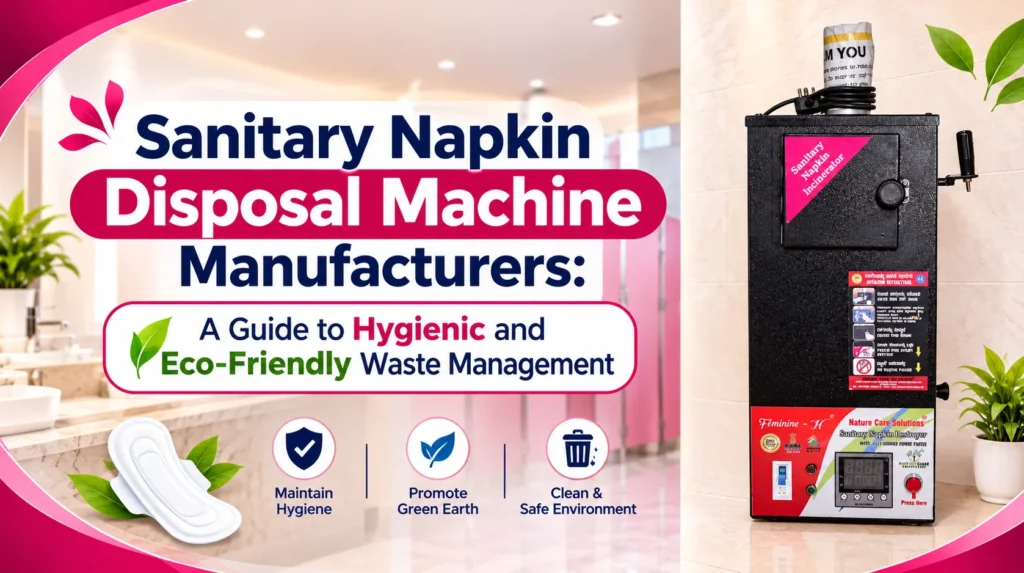
Sanitary Napkin Disposal Machine Manufacturers: A Guide to Hygienic and Eco-Friendly Waste Management

Menstrual hygiene is an essential part of maintaining a clean, healthy, and comfortable environment. Schools, colleges, offices, hospitals, shopping malls, hotels, and public facilities need proper systems for disposing of used sanitary napkins. When sanitary waste is not handled correctly, it can create unpleasant odours, hygiene concerns, and waste management challenges. This is why sanitary napkin disposal machines have become an important solution for modern washrooms. These machines are designed to help manage used sanitary napkins in a more controlled and hygienic manner, depending on their technology and operating method. Choosing experienced sanitary napkin disposal machine manufacturers is an important step for organisations looking to improve menstrual hygiene facilities. A suitable machine can simplify waste handling, support cleanliness, and help establish better disposal practices. Nature Care Solutions focuses on sanitary waste management solutions that can help organisations explore practical options for maintaining cleaner and more hygienic washrooms. Understanding the available technologies, features, and selection criteria makes it easier to choose a suitable sanitary napkin disposal machine for your facility. What Is a Sanitary Napkin Disposal Machine? A sanitary napkin disposal machine is a specialised device designed to manage used sanitary pads in washrooms and other designated disposal areas. Depending on the model, it may use incineration, controlled heating, or another disposal mechanism to process sanitary waste. These machines are commonly considered for locations where multiple people use shared washroom facilities throughout the day. They can help reduce the need for frequent manual handling of loose sanitary waste and support more organised disposal practices. The exact functionality depends on the type of machine. Some models are designed for small washrooms, while others are intended for facilities with higher usage. Before purchasing a machine, buyers should understand its capacity, operating requirements, safety features, maintenance needs, and the waste treatment method it uses. Why Are Sanitary Napkin Disposal Machines Important? Proper menstrual waste management is important for both hygiene and environmental responsibility. Traditional disposal methods may be inconvenient in busy washrooms, particularly where suitable covered bins and regular waste collection are unavailable. Sanitary napkin disposal machines offer an alternative that can be evaluated according to the needs of a particular facility. 1. Improved Washroom Hygiene A suitable disposal system helps organisations establish a designated process for handling used sanitary napkins. This can make washrooms easier to maintain and reduce direct contact with sanitary waste when the machine is used correctly. 2. Better Waste Management Schools, hospitals, corporate offices, and commercial buildings may generate sanitary waste regularly. A dedicated disposal machine can support a more organised approach to collection and treatment. 3. Greater Convenience for Users When disposal facilities are easy to access and clearly identified, users can dispose of sanitary products more comfortably and privately. 4. Support for Menstrual Hygiene Facilities Providing appropriate sanitary waste disposal options can help institutions improve the overall experience of their washrooms and support menstrual hygiene awareness. 5. More Controlled Disposal Practices Machines designed for a specific treatment process can help facilities manage sanitary waste through a defined operating procedure. However, they must be installed, operated, and maintained according to the manufacturer’s instructions and applicable waste management requirements. Types of Sanitary Napkin Disposal Machines Understanding different machine types is essential when comparing sanitary napkin disposal machine manufacturers. 1. Sanitary Napkin Incineration Machines Incineration machines use a controlled combustion process to treat sanitary waste. Depending on the design, they may operate using electricity or another specified energy source. These machines are considered for locations that need an on-site sanitary waste treatment option. Buyers should examine the combustion chamber, temperature controls, exhaust arrangements, emission management, and applicable regulatory requirements. Not every incinerator is suitable for every location. The installation must comply with the relevant pollution control and safety requirements. 2. Electric Sanitary Napkin Disposal Machines Electric sanitary napkin disposal machines use electrical power to operate their disposal mechanism. The actual process may differ between models, so buyers should confirm whether a particular product uses incineration, heating, or another treatment method. Important factors include power consumption, electrical safety, operating cycle, and compatibility with the facility’s electricity supply. 3. Automatic Sanitary Napkin Disposal Machines Automatic machines may include sensors, programmed operating cycles, or other automated functions. These features can simplify operation and reduce the need for certain manual steps. When evaluating automatic models, check how the machine starts, whether it requires user intervention, and what safety controls are provided. 4. Compact Sanitary Napkin Disposal Machines Compact machines may be suitable for smaller washrooms, clinics, offices, and educational institutions with limited installation space. Their suitability depends on the expected number of users, daily waste volume, available power, ventilation requirements, and maintenance access. Key Features to Consider When Choosing a Manufacturer Selecting a sanitary napkin disposal machine involves more than comparing prices. Buyers should assess product suitability, safety, durability, and ongoing operating costs. Safety Mechanisms Safety should be a primary consideration, particularly for machines that use high temperatures or combustion. Look for appropriate temperature controls, electrical protection, safe operating procedures, and safeguards against accidental access to hot components. Suitable Capacity The required capacity depends on the number of users and the quantity of sanitary waste generated. A small office may have different requirements from a school, hospital, or shopping centre. Ask the manufacturer for the recommended daily operating capacity and limitations of the model. Energy Efficiency Electricity consumption and other operating expenses can affect long-term costs. Request information about energy usage per operating cycle, recommended usage frequency, and any additional consumables. Easy Maintenance Machines require periodic inspection and cleaning according to their design. Ask about maintenance intervals, replacement parts, service availability, and the expected lifespan of important components. Installation Requirements Before purchasing, confirm the required floor or wall space, electrical connection, ventilation, exhaust arrangements, and clearance around the machine. User-Friendly Operation Clear operating instructions and accessible controls can help staff use the equipment correctly. Facilities should also provide appropriate signage so users understand where and how to dispose of sanitary products. Warranty and After-Sales Support A reliable supplier should explain warranty coverage, service

Sanitary Napkin Burning Machine Manufacturers
Articles

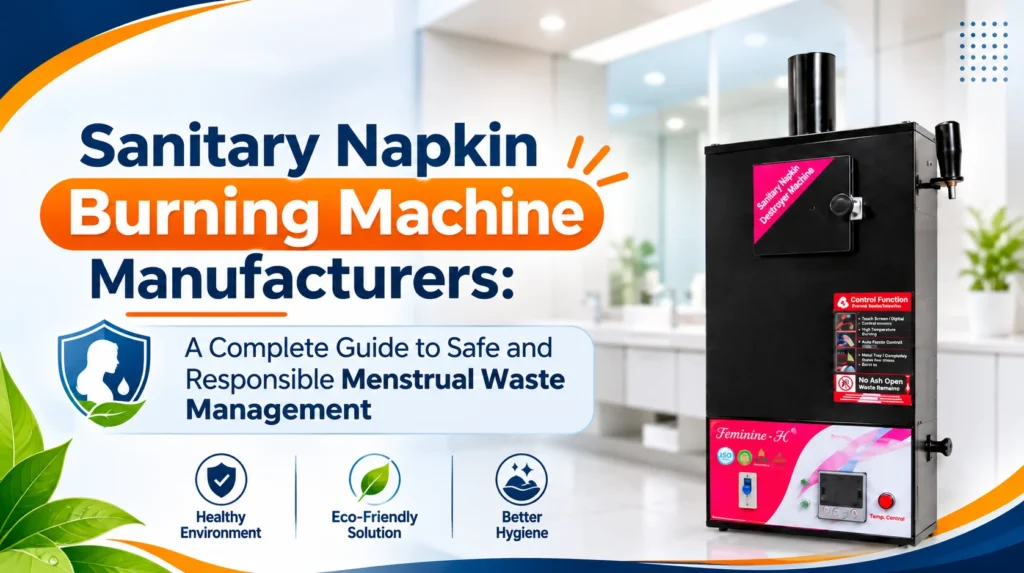
Sanitary Napkin Burning Machine Manufacturers: A Complete Guide to Safe and Responsible Menstrual Waste Management

Managing menstrual waste safely and hygienically has become an important responsibility for schools, colleges, hospitals, offices, shopping malls, and other public facilities. With increasing awareness about menstrual hygiene, organizations are looking for practical solutions to collect and dispose of used sanitary napkins responsibly. Traditional disposal methods, such as throwing sanitary napkins into ordinary dustbins or flushing them down toilets, can create hygiene problems, unpleasant odours, and drainage blockages. This is where sanitary napkin burning machines can play a role in menstrual waste management. These machines are designed to thermally treat used sanitary napkins under specified operating conditions, helping reduce waste volume and making disposal more manageable. However, choosing the right equipment requires careful consideration of safety, emissions control, installation requirements, and applicable environmental regulations. Nature Care Solutions focuses on sanitary hygiene and waste management solutions for organizations seeking cleaner and more organized facilities. Understanding the working principles, benefits, and selection criteria of sanitary napkin disposal equipment can help institutions make informed decisions. If you are searching for dependable sanitary napkin burning machine manufacturers, this guide explains the essential factors to consider before purchasing a machine. What Is a Sanitary Napkin Burning Machine? A sanitary napkin burning machine is a device designed to thermally treat used sanitary napkins in a controlled chamber. Depending on the model, the equipment may use electric heating or another approved heating system to process sanitary waste. Unlike ordinary waste bins, which only collect used sanitary products, a thermal treatment unit is intended to process waste under controlled conditions. The effectiveness and safety of the process depend on the machine’s design, operating temperature, treatment cycle, ventilation, and emissions-control arrangements. These machines may be considered for locations that generate sanitary waste regularly and require a dedicated disposal system. However, not every facility needs an incineration-based solution. Collection systems, authorized waste collection services, and other approved disposal methods may be more suitable in some situations. When evaluating sanitary napkin burning machine manufacturers, buyers should understand the technology offered and confirm whether it meets their facility’s specific requirements. Why Is Proper Sanitary Napkin Disposal Important? Menstrual waste management is an essential part of maintaining clean and hygienic washrooms. Used sanitary napkins contain absorbent materials, moisture, and other components that require appropriate handling. Improper disposal can lead to several problems: Poor washroom hygiene: Exposed or overflowing waste bins can create unpleasant conditions. Unpleasant odours: Improper storage of used sanitary products can cause odour problems. Drainage blockages: Flushing sanitary napkins can block toilets and drainage systems. Waste-handling concerns: Housekeeping staff need suitable collection and handling procedures. Environmental risks: Open burning and uncontrolled disposal can release pollutants or contaminate the surrounding environment. A properly planned sanitary waste management system helps organizations maintain hygiene, support housekeeping teams, and establish responsible disposal practices. How Does a Sanitary Napkin Burning Machine Work? The operating process varies according to the machine’s design, capacity, and treatment technology. A typical system may follow these steps. 1. Collection of Used Sanitary Napkins Used sanitary napkins are collected in designated sanitary waste bins. These bins should be covered, appropriately labelled, and positioned to provide privacy and convenience. 2. Loading the Waste Authorized personnel transfer the collected waste into the machine according to the manufacturer’s instructions. Operators should use appropriate protective equipment and follow safe handling procedures. 3. Controlled Thermal Treatment The machine processes the sanitary waste inside a designated treatment chamber. The temperature, treatment duration, and operating cycle depend on the equipment specifications. 4. Cooling and Residue Handling After the treatment cycle, the machine must complete any required cooling procedure before residue is handled. Operators should follow the manufacturer’s instructions for removing and managing the remaining material. 5. Final Disposal and Cleaning Any ash or other residue must be handled and disposed of according to its characteristics and applicable local requirements. The machine and surrounding area should be maintained according to the prescribed cleaning schedule. Important: Thermal treatment does not automatically make all emissions or residues harmless. Equipment should be selected and operated only where its design, emissions controls, and regulatory status are appropriate for the intended application. Key Features to Look for in Sanitary Napkin Burning Machine Manufacturers Choosing the right supplier is about more than comparing prices. Buyers should evaluate the machine’s construction, safety provisions, performance, and long-term operating requirements. 1. Suitable Processing Capacity Different facilities generate different quantities of sanitary waste. A small office may require a lower-capacity unit, while a school, hospital, or large commercial building may need a higher-capacity solution. Estimate the expected daily waste volume and ask the manufacturer to recommend an appropriate model. Avoid choosing equipment solely because it has a high advertised capacity. 2. Reliable Heating Technology The heating system should be suitable for the intended application and clearly documented by the manufacturer. Buyers should ask about the operating temperature, treatment cycle, power consumption, and recommended operating conditions. 3. Safety Mechanisms Safety is particularly important because the equipment operates at elevated temperatures. Depending on the model, useful provisions may include temperature controls, automatic shut-off, door interlocks, overheating protection, and clear operating indicators. Ask the supplier to explain which safety mechanisms are included in the quoted model. 4. Emissions Control and Ventilation Thermal treatment can produce smoke, gases, and particulate emissions. A responsible selection process should consider exhaust arrangements, appropriate pollution-control equipment, ventilation requirements, and compliance with applicable standards. Do not assume that a smokeless appearance guarantees low emissions or regulatory compliance. Request relevant technical documentation and independent test reports where applicable. 5. Durable Construction The treatment chamber and external body should be constructed from materials appropriate for repeated heating, routine cleaning, and the expected operating environment. Ask about material specifications, expected service life, maintenance requirements, and the availability of replacement components. 6. Energy Efficiency Electricity consumption and operating costs can vary between models. Ask the manufacturer for the rated power, estimated energy use per cycle, and recommended operating frequency. These details help organizations calculate the long-term cost of ownership rather than focusing only on the initial purchase price. 7. Installation and After-Sales

Sanitary Pad Disposal Machine Manufacturers
Articles

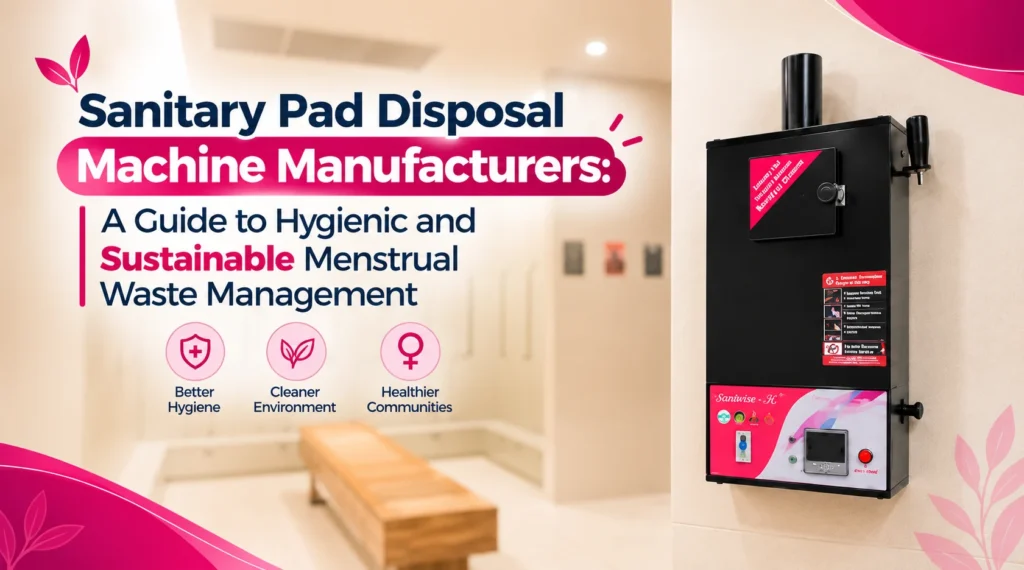
Sanitary Pad Disposal Machine Manufacturers: A Guide to Hygienic and Sustainable Menstrual Waste Management

Menstrual hygiene is an essential part of personal health, workplace hygiene, and environmental responsibility. As awareness about menstrual health continues to grow, schools, colleges, offices, hospitals, shopping centres, and public facilities are looking for better ways to manage used sanitary pads. Traditional disposal methods, such as throwing sanitary pads into ordinary dustbins or flushing them down toilets, can create hygiene problems, unpleasant odours, and plumbing blockages. This is where sanitary pad disposal machines become useful. These machines provide a designated solution for collecting and, depending on the model, treating used sanitary pads to support cleaner and more organised washrooms. Choosing reliable Sanitary Pad Disposal Machine Manufacturers is an important step for organisations that want to improve menstrual hygiene facilities. Nature Care Solutions focuses on the importance of practical hygiene solutions that help institutions create cleaner, more comfortable, and responsible environments. What Is a Sanitary Pad Disposal Machine? A sanitary pad disposal machine is a device designed to help manage used sanitary napkins in a controlled and hygienic manner. Depending on its technology, the machine may collect, contain, shred, or thermally treat sanitary waste. These machines are commonly installed in women’s washrooms to provide a convenient disposal option without requiring users to handle waste directly. Different machines use different methods. Some models are designed primarily for collection and containment, while others use heating or incineration technology to reduce waste volume. Therefore, buyers should understand the machine’s operating method, capacity, safety features, and disposal requirements before making a decision. Professional sanitary pad disposal machine manufacturers help buyers identify equipment suitable for their specific premises and daily usage. Why Are Sanitary Pad Disposal Machines Important? Used sanitary pads require appropriate handling because they contain absorbent materials and may be contaminated with bodily fluids. Improper disposal can create unpleasant washroom conditions and increase the risk of exposure for cleaning staff. Installing a suitable disposal system offers several advantages. 1. Improved Washroom Hygiene A dedicated disposal machine helps create a designated place for used sanitary pads. When properly maintained, it can reduce visible waste, minimise direct handling, and support better washroom hygiene. 2. Better Menstrual Hygiene Facilities Access to convenient disposal facilities can make menstrual hygiene management easier for students, employees, patients, visitors, and other washroom users. Schools, colleges, and workplaces can improve their hygiene infrastructure by providing suitable disposal options alongside sanitary napkin vending machines and accessible waste bins. 3. Reduced Plumbing Problems Flushing sanitary pads can block toilets and drainage systems because most sanitary napkins are not designed to break down in water like toilet paper. A dedicated disposal facility encourages users to dispose of sanitary products appropriately instead of flushing them. 4. Better Waste Management Practices A suitable machine can form part of a broader menstrual waste management system. Depending on the technology used, it may help contain waste or reduce its volume. However, installing a machine alone does not complete the waste management process. Organisations must also arrange safe handling, cleaning, maintenance, and final disposal according to applicable local requirements. 5. Greater Privacy and Convenience A properly installed disposal machine provides users with a convenient disposal option within the washroom. Features such as a covered opening, clear instructions, and odour-control systems can improve the overall experience. How Does a Sanitary Pad Disposal Machine Work? The operating process depends on the model and technology. Generally, a sanitary pad disposal machine works through the following steps: Step 1: Waste Insertion The user places the used sanitary pad into the designated opening. The design should minimise direct contact with the waste and make operation straightforward. Step 2: Collection or Processing In a collection-based machine, the waste is stored inside a designated compartment. In a treatment-based machine, the equipment processes the waste using its specified mechanism, such as controlled heating or incineration. Step 3: Waste Containment or Volume Reduction Collection systems contain waste until it can be removed safely. Treatment systems may reduce the volume of waste, depending on their technology and operating conditions. Step 4: Cleaning and Maintenance The machine must be inspected, cleaned, and serviced according to the manufacturer’s instructions. Collection compartments should be emptied safely, while treatment-based systems require appropriate checks and handling of any remaining residue. Before purchasing equipment, buyers should confirm the exact process, consumables, maintenance schedule, and waste disposal procedure. Types of Sanitary Pad Disposal Machines Sanitary pad disposal machine manufacturers may offer different technologies to meet the needs of various institutions. Understanding the main categories helps buyers make informed decisions. 1. Electric Sanitary Pad Incinerators Electric sanitary pad incinerators use electrical heating to treat used sanitary napkins. Depending on their design, these machines may reduce waste volume and leave ash or other residue that requires appropriate handling. When evaluating an electric incinerator, check its power consumption, operating temperature, cycle time, safety controls, ventilation requirements, and compliance with applicable environmental rules. 2. Automatic Sanitary Pad Disposal Machines Automatic models may include sensors, automatic operating cycles, or other features designed to reduce manual interaction. Their functions vary by manufacturer and product model. Buyers should check whether the machine actually processes the waste or simply collects it automatically. They should also verify the safety mechanism, capacity, and maintenance requirements. 3. Manual or Collection-Based Disposal Systems Some disposal systems focus on collecting used sanitary pads in a dedicated compartment rather than treating them inside the unit. These can be suitable for facilities with an established waste collection process. The organisation must ensure that collected waste is removed, transported, and disposed of through an appropriate waste management arrangement. The best choice depends on the number of users, available infrastructure, budget, applicable regulations, and the organisation’s waste management arrangements. Key Features to Look for When Choosing a Manufacturer Selecting the right manufacturer involves more than comparing prices. Buyers should evaluate product quality, safety, usability, and after-sales support. 1. Appropriate Machine Capacity Capacity is one of the most important purchasing considerations. A small office may have different requirements from a large school, college, hospital, or shopping centre. Estimate the number of users and expected

Napkin Vending Machines in Bangalore
Articles

Napkin Vending Machines in Bangalore: Your Washroom Upgrade Isn’t Complete Until You Check This

A washroom can be clean, well-lit, and thoughtfully designed yet still leave someone without an essential product when they need it. An unexpected period should not mean searching for a shop, interrupting a meeting, or asking several people where to find a sanitary pad. For facility managers, this is a practical service question: how can menstrual products be made accessible throughout the operating day? Napkin Vending Machines in Bangalore are one option to explore. However, selecting a machine is only the beginning. Placement, product compatibility, stock management, and maintenance determine whether the installation becomes genuinely useful. This guide from Nature Care Solutions explains what buyers should assess before ordering and how to build a dependable arrangement around the equipment. What Are Napkin Vending Machines? In menstrual-product provision, napkin vending machines are dispensers designed to release individually packaged sanitary pads through a specified operating mechanism. They are different from dispensers for paper napkins, tissues, or hand towels. Depending on the model, access may involve coins, tokens, manual operation, electronic payment, or another release system. The purpose is to provide a defined product-access point without requiring every user to ask a staff member for assistance. Capacity, power requirements, and compatible packaging vary, so buyers should confirm the exact model’s specifications. Why Consider Napkin Vending Machines in Bangalore? An organisation may already keep sanitary pads at reception or with a designated employee. That arrangement can help, but access may depend on someone being available. A suitable dispenser offers another way to make products accessible. Its usefulness depends on whether users can find it, understand its operation, and obtain a pad when needed. Before purchasing, identify the gap in your current process. Is access limited after office hours? Are students unsure whom to approach? Do visitors know products are available? The equipment should address a specific need rather than become an unused addition to the facility. Identify the Setting Before Choosing the Model Different locations require different arrangements. Offices and Workplaces Consider shift patterns, access hours, and responsibility for replenishment. A machine should remain useful when reception or administrative staff are unavailable. Schools and Colleges Review age-appropriate instructions, student accessibility, and staff oversight. Decide whether the proposed access method creates unnecessary steps. Hostels and Residential Facilities Plan availability during evenings, weekends, and staff absences. Assign backup responsibility for stock checks. Public Buildings Clarify ownership, supervision, cleaning, maintenance, and reporting procedures. The same model may not suit every setting. Begin with operating requirements, then compare equipment against them. Follow the User’s Journey Imagine approaching the machine without having used it before. Can you find it easily? Are the instructions understandable? Is the operating method practical? Can you reach the controls comfortably? If payment is required, consider whether users will have the accepted coins, tokens, or payment access. If tokens must be collected elsewhere, check whether that defeats the intended convenience. Also consider privacy. The machine should be accessible without placing users in an unnecessarily uncomfortable situation. Review mounting height, clear space, and accessibility with your facilities team before confirming the installation position. Choose a Dispensing Method That Matches Your Policy Decide whether products will be provided free or through payment before selecting equipment. Ask which models support your chosen approach. Do not assume a payment mechanism can be disabled or modified. For coin-operated models, confirm accepted denominations and collection procedures. For electronic payment, ask about connectivity, subscriptions, transaction arrangements, and operation during interruptions. Request a demonstration of the complete process. Include a failed-dispensing scenario and ask how users receive assistance. The best access method for your facility is one that can be operated and managed consistently. Check Compatibility with the Products You Will Stock Individually packaged sanitary pads differ in dimensions, thickness, and packaging format. A machine may not reliably dispense every product. Request written compatibility guidance, including loading orientation and any restrictions. Where possible, test the exact pads you intend to purchase. A successful demonstration using another package may not establish suitability for yours. Also ask about substitutions. If your usual product becomes unavailable, which alternatives can be used, and will adjustments be needed? Compatibility planning helps prevent jams, interrupted access, and the purchase of stock that cannot be used in the selected dispenser. Select Capacity Around Your Refill Routine Capacity should match demand and how often authorised staff can check the machine. Ask how many products the model holds with your intended packaging. Advertised maximum capacity may depend on a particular pad size. You may not know demand precisely before installation. Begin with regular checks and use actual consumption to refine your schedule. A larger machine still requires monitoring. A smaller one can remain dependable if demand is modest and refills are timely. Ask whether the model includes a stock indicator. If not, define a manual inspection routine before the machine begins operating. Confirm Installation and Power Requirements Before ordering Napkin Vending Machines in Bangalore, have the proposed location assessed by the facilities team. Request dimensions, mounting instructions, clearance requirements, and guidance on suitable environmental conditions. Confirm whether the equipment needs electricity. If power is required, clarify the connection and who arranges any necessary work. Ask how the machine behaves during a power interruption. Also confirm access for refilling and servicing. Equipment should not obstruct movement or make routine cleaning difficult. The quotation should identify whether brackets, fittings, installation, commissioning, and operator training are included. Make Replenishment a Defined Task Someone must be responsible for checking and refilling the machine. Assign a primary operator and a backup. Agree on checking times, stock levels, and how shortages are reported. Ask the supplier to demonstrate opening, loading, and securing the equipment. Have the intended operator practise during handover. Keep compatible replacement supplies available and store them according to the product supplier’s instructions. Maintain a simple log of stock checks, refills, and faults. These records can reveal changes in demand and help distinguish missed replenishment from equipment problems. Know What Happens When the Machine Stops Working After-sales arrangements should be clear before purchase. Ask how

Sanitary Napkin Vending Machine Manufacturers for Schools
Articles

Sanitary Napkin Vending Machine Manufacturers for Schools: Will Your Students Be Able to Use What You Buy?

A student gets her period unexpectedly during the school day. She checks her bag, realises she has no sanitary pad, and wonders whom to ask. The problem may be straightforward to solve, but embarrassment, uncertainty, or an unavailable staff member can make it harder. For school administrators, this situation raises an important question: are menstrual products accessible when students need them? A vending machine may be part of the answer. However, purchasing equipment does not automatically create dependable access. When comparing Sanitary Napkin Vending Machine Manufacturers for Schools, consider the student’s experience alongside specifications, costs, and maintenance. This guide from Nature Care Solutions explains how schools can assess equipment and prepare a practical operating plan before installation. What Is a Sanitary Napkin Vending Machine for Schools? A sanitary napkin vending machine for schools is a dispenser designed to release individually packaged sanitary pads through a specified access mechanism. Depending on the model, operation may involve coins, tokens, manual controls, electronic payment, or another release system. The machine creates a defined access point without requiring every student to request a product from staff. Capacity, power requirements, payment options, and compatible pad packaging vary. Schools should request written specifications for the exact model rather than assuming that every dispenser has the same features. Why Should Schools Consider Menstrual Product Access? Students may need a sanitary pad unexpectedly or discover that the supplies they brought are insufficient. A school should have a clear, understandable process for responding. A well-managed dispenser can provide one access option. Its usefulness depends on whether students can find it, operate it, and obtain a product without unnecessary difficulty. Before purchasing, review your existing arrangement. Are pads available through a designated staff member? What happens during breaks or staff absences? Do students know where to go? The purpose is to address an identified gap, with the machine forming part of a wider support process. Start with Students’ Needs, Not the Catalogue A machine should suit the school community rather than require students to adapt to an inconvenient process. Consider the ages of intended users, their familiarity with dispensers, and whether they will have access to the required payment method. Instructions should be brief, clear, and appropriate to the setting. The location should allow reasonable privacy while remaining easy to identify. Ask relevant staff for input and provide an appropriate way to gather student feedback. Understanding practical concerns before purchase can help you avoid equipment that appears suitable on paper but creates barriers during use. 1. Choose an Access Method That Works During School Hours Ask manufacturers which dispensing mechanisms are available and what each requires. If the machine uses coins, confirm the accepted denominations. If it uses tokens, decide how students obtain them. A token process that depends on finding a particular staff member may reintroduce the difficulty you wanted to remove. If the school intends to provide products without charge, ask about suitable models or configurations. Do not assume all payment systems can be disabled or adapted. Request a demonstration of the complete process, including what happens when a product fails to dispense. 2. Verify Compatibility with Your Chosen Sanitary Pads A dispenser may not reliably handle every pad package. Confirm permitted dimensions, thickness, packaging style, and loading orientation. Ask whether the manufacturer recommends particular product formats and why. Where possible, test the exact pads your school plans to stock. A demonstration with another package does not necessarily establish compatibility. Also ask about substitutions if the usual product becomes unavailable. Can staff use an alternative compatible package, and is adjustment required? Written compatibility information helps purchasing teams avoid stocking products that the machine cannot dispense consistently. 3. Match Capacity to Demand and Refill Frequency Capacity should reflect likely use and the school’s checking routine. Ask how many products the machine holds with your intended packaging. The maximum advertised figure may depend on a particular pad size. Estimate demand, but recognise that actual usage may differ. Begin with regular checks and use consumption records to refine the refill schedule. A larger machine does not remove the need for stock management. A smaller model may work well where demand is limited and staff check it frequently. The aim is consistent availability, rather than purchasing the largest capacity by default. 4. Review Placement and Accessibility Before Ordering Walk through the proposed location with the facilities team. Students should be able to approach the machine without obstructing movement or struggling with its controls. Review mounting height, clear space, and accessibility requirements. Follow the manufacturer’s installation guidance regarding wall suitability, clearance, environmental conditions, and any power connection. Consider privacy without making the machine difficult to find. Appropriate signage can explain its purpose and direct students to an alternative source if it is unavailable. Confirm access for authorised staff too. Refilling and maintenance should not require awkward or unsafe working arrangements. 5. Confirm Power and Technical Requirements Not every dispenser requires electricity, and not every model can operate without it. Request the exact power specifications and clarify who is responsible for any required electrical work. For models with electronic payment or connected features, ask whether additional services, subscriptions, or connectivity are needed. Confirm which features are standard and which are optional. Discuss what happens during a power or connectivity interruption. These details matter because the school needs a workable access arrangement throughout the day. A feature should be selected because it supports that arrangement, rather than simply because it appears advanced. 6. Make Refilling a Defined Responsibility An empty machine cannot meet the intended need. Assign a staff member to check stock, refill products, and report faults. Name a backup person for absences. Ask the manufacturer to demonstrate opening, loading, and securing the machine. The person responsible should practise these tasks during handover. Store replacement supplies according to the pad supplier’s instructions and maintain sufficient stock for anticipated use. A simple log can record checks, refills, and dispensing problems. These records help distinguish increased demand from missed checks, supply shortages, or equipment faults.

Sanitary Napkin Vending Machine Manufacturers
Articles

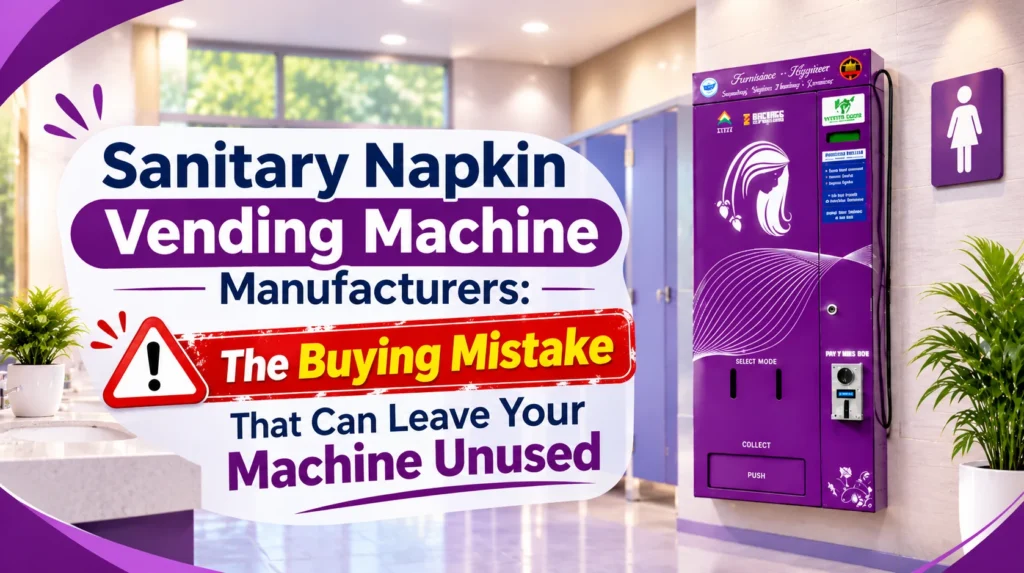
Sanitary Napkin Vending Machine Manufacturers: The Buying Mistake That Can Leave Your Machine Unused

A sanitary napkin vending machine can look like a simple purchase. Choose a model, install it near a washroom, and make menstrual products available. But what happens when someone needs a pad and the machine is empty, difficult to operate, or incompatible with the products stocked inside? That moment reveals whether the purchase has become a dependable service or merely an installed piece of equipment. When comparing Sanitary Napkin Vending Machine Manufacturers, buyers need to consider everyday use, replenishment, accessibility, and maintenance alongside the machine itself. This guide from Nature Care Solutions explains how to assess your requirements, ask useful questions, and plan an installation that people can rely on. Product specifications, prices, and service arrangements should be confirmed directly before ordering. What Is a Sanitary Napkin Vending Machine? A sanitary napkin vending machine is a dispenser designed to release individually packaged sanitary pads through a specified operating mechanism. Depending on the model, access may involve payment, a token, a manual control, or another release system. Its purpose is to make products available without requiring someone to request them at a reception desk or administrative office. However, the mechanism, capacity, power requirements, and compatible pad packaging vary. Buyers should request written specifications for the particular model under consideration rather than assuming all machines work alike. Why Manufacturer Selection Matters The purchase includes more than a cabinet and a dispensing mechanism. It also involves product compatibility, installation requirements, operating instructions, replacement parts, and support arrangements. A machine that suits a small office may not suit a busy campus. Similarly, a model selected for one pad package may not reliably dispense another. The manufacturer or supplier should help you understand these differences before purchase. Your aim is straightforward: someone should be able to find the machine, understand its operation, and access a product when needed. Achieving that requires both suitable equipment and responsible day-to-day management. Start with the User’s Experience Before comparing models, think about the person using the machine. They may need a pad unexpectedly, have limited time, or feel uncomfortable asking someone for assistance. Instructions should be easy to follow, and the location should allow reasonable privacy. Consider whether users will have coins, tokens, or access to the payment method required by the chosen model. Also review the physical placement. A machine mounted too high or behind an obstruction can be difficult to use. Discuss accessibility with your facilities team and confirm appropriate installation arrangements before purchase. Where Can These Machines Be Considered? Potential settings include schools, colleges, workplaces, healthcare facilities, residential institutions, and public facilities. Each setting has different needs. A school may prioritise straightforward access and staff oversight. A workplace may want reliable availability across shifts. A public facility may need closer attention to replenishment, security, and responsibility for maintenance. Do not assume the same operating model will suit every location. Before approaching Sanitary Napkin Vending Machine Manufacturers, identify the intended users, access hours, installation space, and person responsible for managing the machine. These details make enquiries more productive. 1. Check Compatibility with Your Sanitary Pads Ask which pad dimensions, packaging styles, and thicknesses the machine accepts. Compatibility matters because individually packaged products can differ significantly. A mechanism designed around one format may not perform consistently with another. Where possible, request a demonstration using the exact products you intend to stock. Also ask whether different compatible products can be substituted later and whether adjustment is required. This can help you avoid unnecessary dependence on an unavailable product. Obtain the compatibility details in writing, including any restrictions on loading orientation or package condition. 2. Choose a Suitable Dispensing Method The operating mechanism should match how you want users to access products. Ask whether the model uses manual operation, coins, tokens, electronic payment, or another method. Confirm exactly what is included; do not assume optional features are standard. Consider the practical implications. Who supplies tokens? Who manages collections? What happens if the required payment method is unavailable? If products will be provided without charge, ask about suitable access arrangements. A demonstration should show the complete user journey, including what happens when a product fails to dispense. 3. Match Capacity to Your Refill Routine A larger capacity is not automatically the better choice. The useful capacity is one that matches expected demand and your ability to replenish stock. Estimate likely usage, then review how often staff can check the machine. Ask for the capacity with your intended pad packaging, since the number of products may vary by size. Find out how staff identify low stock and whether the model offers any stock indication. If no indicator is provided, establish a manual checking routine. Availability depends on replenishment as much as storage capacity. 4. Confirm Power and Installation Requirements Do not assume every vending machine requires electricity or that every model can operate without it. Request the specific power requirements, mounting method, dimensions, and installation instructions. Your facilities team should review the proposed location, wall or floor suitability, access for refilling, and any required electrical work. Also ask who performs installation and what is included in the quoted price. Before placing an order, clarify whether brackets, fittings, delivery, commissioning, and user training are included or charged separately. Written details help prevent misunderstandings during setup. 5. Examine Refill Access and Security Refilling should be manageable for authorised staff. Ask how the machine opens, how products are loaded, and whether tools are needed. Check who holds keys or access credentials and how replacements are obtained. Security arrangements should protect stock and any collected payment without making routine management unnecessarily difficult. During a demonstration, have the intended operator practise refilling. This can reveal practical issues that are easy to miss when only viewing the machine from the outside. Clear operating instructions should support both dispensing and replenishment. 6. Ask About Maintenance and After-Sales Support Before choosing between Sanitary Napkin Vending Machine Manufacturers, clarify what happens when something goes wrong. Ask about warranty coverage, exclusions, service availability, replacement parts, and expected support procedures. Useful questions

Sanitary Napkin Vending Machine in Bangalore
Articles

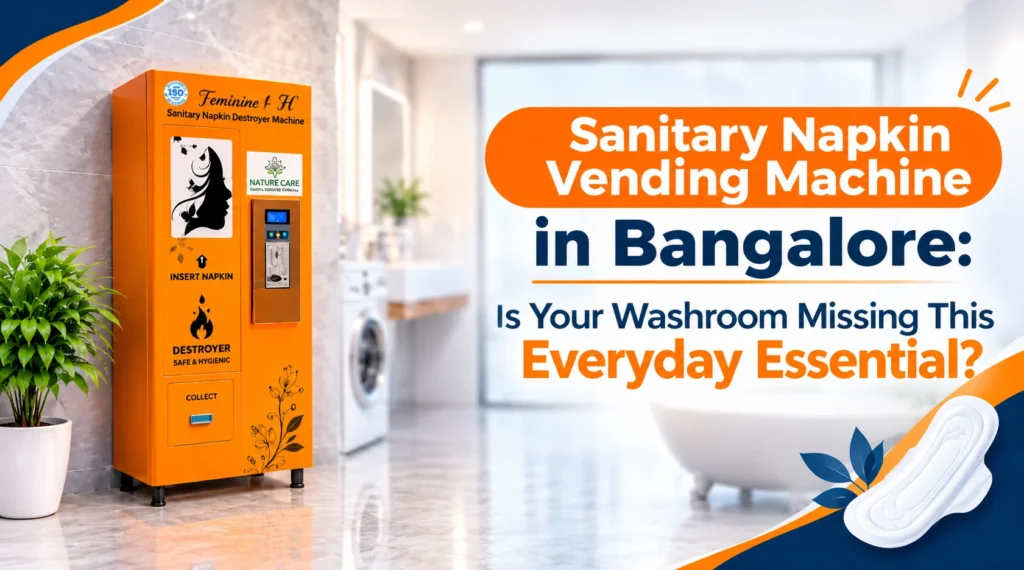
Sanitary Napkin Vending Machine in Bangalore: Is Your Washroom Missing This Everyday Essential?

An unexpected period can interrupt an ordinary day. Someone may be between classes, working a shift, attending a meeting, or visiting a public facility when they realise they do not have a sanitary pad. Finding a product should be straightforward. Yet it may involve locating a shop, asking a colleague, or approaching an unfamiliar reception desk. For an organisation, this raises a practical question: how can essential products be made available where people need them? Installing a Sanitary Napkin Vending Machine in Bangalore is one option to consider. This guide from Nature Care Solutions explains how to evaluate the equipment, plan its location, and organise the everyday tasks that keep it useful. What Is a Sanitary Napkin Vending Machine? A sanitary napkin vending machine is a dispenser designed to release individually packaged sanitary pads through a specified operating mechanism. Depending on the model, users may access products through coins, tokens, manual operation, electronic payment, or another release system. The machine provides a defined point of access without requiring someone to request a pad from an employee. However, specifications differ. Capacity, compatible packaging, power requirements, and payment options should be confirmed for the exact model. A product category name does not establish which features are included. Why Consider a Sanitary Napkin Vending Machine in Bangalore? For a school, workplace, or public facility, the main benefit to consider is convenient access to menstrual products. A well-managed installation can reduce the steps involved in finding a pad during the day. Its usefulness depends on appropriate placement, clear instructions, working equipment, and available stock. Before purchasing, examine your current arrangement. Are products available? Do users know where to find them? Is access dependent on a particular staff member being present? These questions help you decide whether a vending machine would address an actual gap rather than duplicate an existing service. Which Locations Can Consider an Installation? Potential settings include offices, educational institutions, healthcare facilities, hostels, and public buildings. Each has different operating needs. Offices and Workplaces Consider whether access is needed across shifts or outside reception hours. Decide who will check stock and respond to faults. Schools and Colleges Evaluate age-appropriate instructions, placement, and staff oversight. Confirm that students can understand the access method without unnecessary difficulty. Hostels and Residential Institutions Review access hours and how supplies will be maintained during weekends or staff absences. Public Facilities Clarify ownership of the machine, supervision, replenishment, cleaning, and maintenance before installation. The appropriate arrangement depends on the people using the location. Start by Understanding Your Users Before requesting quotations, consider who needs access and what might make the machine difficult to use. Will users have the required coins or tokens? Is the payment method practical in that setting? Can the instructions be understood quickly? Think about privacy and accessibility too. A machine should not be hidden so thoroughly that people cannot find it, or placed where using it becomes unnecessarily uncomfortable. Consult the facilities team about mounting height, clear space, and access for people with different mobility needs. Review these requirements before choosing the model. Choose the Right Dispensing Method The operating mechanism should reflect your intended access policy. If products will be provided without charge, ask about models or configurations suitable for that arrangement. Do not assume every machine can be adapted. If payment is required, clarify accepted denominations or payment methods. Ask what happens when a payment is made but a product does not dispense. For token-operated equipment, decide where tokens are obtained and whether that process undermines convenient access. Request a complete demonstration of the user journey, including error situations. Straightforward operation matters more than an impressive feature list. Confirm Compatibility with Your Sanitary Pads Not every dispenser accepts every individually packaged pad. Ask about permitted dimensions, thickness, packaging material, and loading orientation. Request compatibility details in writing. Where possible, test the exact products you intend to stock. A demonstration with a different package may not establish that your chosen supplies will dispense reliably. Also ask what happens if your usual pad product becomes unavailable. Can another compatible package be used, and does it require adjustment? Planning for substitutions can prevent unnecessary downtime or dependence on a single product format. Match Capacity to Actual Demand The appropriate capacity depends on expected use and the refill schedule. A smaller machine may be adequate where demand is limited and checks are frequent. A busier location may need greater storage capacity or more frequent replenishment. Ask for the capacity using your intended packaging rather than accepting a general maximum. Find out whether the model has a stock indicator. If it does not, establish manual checks. You may not know the demand precisely before installation. Begin with regular monitoring and use consumption records to adjust stock levels and refill frequency. Select a Practical Installation Location When planning a Sanitary Napkin Vending Machine in Bangalore, assess the proposed position before ordering. The location should be reasonably easy to find, suitable for the equipment, and accessible for both users and authorised staff. Confirm the manufacturer’s guidance on mounting, environmental conditions, clearance, and any power connection. Avoid placing the machine where it obstructs movement or creates difficulties for cleaning. Review signage as well. A simple notice can explain where products are available and how to report a problem. Your facilities team should approve the installation arrangements and any required work. Ask About Power Requirements Do not assume that every vending machine needs electricity or operates without it. Request the exact model’s power specifications. If power is required, confirm the connection, installation responsibilities, and what happens during an interruption. For equipment with electronic payment or connected features, ask whether additional services or connectivity are necessary. Confirm which functions are standard and which are optional. These questions help you assess ongoing requirements and avoid selecting features your location cannot support reliably. Any electrical work should be arranged appropriately through your facilities team. Plan Refilling Before Installation Stock management is essential to the machine’s usefulness. Assign someone to check supplies, refill the

Sanitary Napkin Destroyer Machine Manufacturers
Articles

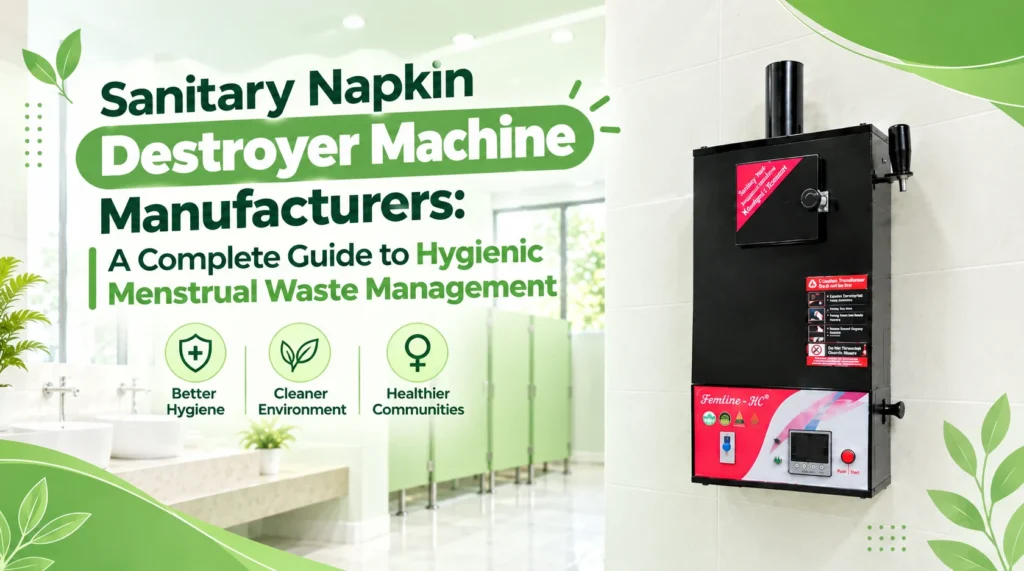
Sanitary Napkin Destroyer Machine Manufacturers: A Complete Guide to Hygienic Menstrual Waste Management

Proper menstrual waste management is an important part of maintaining hygiene, cleanliness, and environmental responsibility. Schools, colleges, hospitals, offices, shopping malls, hotels, and public washrooms generate sanitary napkin waste every day. Without an appropriate disposal system, used sanitary napkins can create unpleasant odours, hygiene concerns, and waste-handling difficulties. A sanitary napkin destroyer machine provides a convenient solution for managing used sanitary pads in designated disposal areas. Depending on the technology, these machines may use controlled thermal treatment or other approved destruction methods to process menstrual waste. They can help organisations establish a more organised and hygienic disposal process. As awareness of menstrual hygiene continues to grow, many institutions are looking for reliable sanitary waste management equipment. Choosing experienced Sanitary Napkin Destroyer Machine Manufacturers is an important step towards finding a solution that meets the facility’s requirements, safety standards, and maintenance needs. Nature Care Solutions focuses on sanitary hygiene and waste management solutions designed to support cleaner washrooms and more responsible disposal practices. Understanding the features, applications, and selection criteria of sanitary napkin destroyer machines can help businesses and institutions make informed purchasing decisions. What Is a Sanitary Napkin Destroyer Machine? A sanitary napkin destroyer machine is a device designed to process used sanitary napkins through a specified destruction or treatment method. It is generally installed in designated washroom areas or other approved waste management locations to make menstrual waste handling more convenient. The machine’s operating mechanism depends on its design. Some systems use controlled heat to reduce waste volume, while others may employ different treatment technologies. Buyers should confirm the actual technology, capacity, operating procedure, and waste output of the model they intend to purchase. Unlike ordinary waste bins, which only collect used sanitary pads, a destroyer machine is intended to process waste according to its specific operating method. These machines can be useful in locations where regular sanitary waste is generated and a dedicated disposal system is needed. However, the machine should always be selected and operated according to applicable waste management rules, manufacturer instructions, and site safety requirements. Why Choose Professional Sanitary Napkin Destroyer Machine Manufacturers? Selecting the right manufacturer is essential for ensuring that a sanitary waste disposal system suits the needs of the facility. A reliable supplier can help buyers understand the machine’s capabilities, installation requirements, and ongoing operating costs. Here are some important reasons to work with experienced manufacturers. 1. Quality and Reliable Construction A well-designed machine should be suitable for its intended environment and expected usage. Buyers should review the materials, construction quality, electrical components, safety features, and expected service life before purchasing. Manufacturing quality can affect the machine’s reliability and the frequency of maintenance required. 2. Appropriate Capacity Options Different establishments produce different quantities of sanitary waste. A small office may require a different solution from a large hospital, college, or commercial facility. Professional manufacturers can help buyers compare available capacities and select equipment according to daily usage, peak demand, and collection frequency. 3. Safety Features Safety is especially important when a machine uses electricity, heating elements, moving components, or an enclosed treatment chamber. Depending on the model, useful safety provisions may include temperature controls, protective enclosures, automatic shut-off mechanisms, and electrical protection. Buyers should verify which features are actually provided rather than assuming that every model includes them. 4. Installation and Maintenance Support A machine needs proper installation, suitable ventilation where required, and routine servicing. Before purchasing, organisations should ask about installation guidance, maintenance schedules, spare parts, warranty coverage, and technical support. These details help prevent avoidable operating problems. 5. Clear Product Documentation A dependable manufacturer should provide relevant operating instructions, technical specifications, safety information, and guidance on handling the machine’s output. Clear documentation helps facility managers train staff and establish a consistent disposal procedure. Key Features to Consider When Buying a Sanitary Napkin Destroyer Machine Before choosing a machine, buyers should compare specifications instead of selecting a product based only on its price or appearance. Efficient Waste Processing The machine should be capable of handling the expected type and quantity of sanitary waste. Ask the manufacturer about processing time, recommended loading limits, and daily operating capacity. Avoid assuming that a machine can process unlimited quantities or all types of menstrual products. User-Friendly Operation Simple operating controls can make a machine easier to use in schools, offices, hospitals, and commercial washrooms. Clear instructions and straightforward loading procedures also help reduce operating errors. Odour and Emission Management Odour control is an important consideration in indoor washroom environments. Depending on the technology, a machine may require suitable exhaust arrangements, filtration, or other emission controls. Buyers should ask for technical details and applicable test documentation rather than relying on general claims that a machine is completely odour-free or emission-free. Energy Consumption Electricity consumption contributes to the total cost of operating the machine. Compare the rated power, average energy use per cycle, operating duration, and expected number of cycles per day. This information can help organisations estimate monthly operating expenses. Easy Cleaning and Maintenance A sanitary napkin destroyer machine should have a practical cleaning and servicing procedure. Check how frequently the machine needs maintenance, whether specialised technicians are required, and how residue or other output must be handled. Compact and Suitable Design Washroom space can be limited, particularly in smaller offices and educational institutions. The dimensions, placement requirements, access clearance, and ventilation needs should be reviewed before installation. Applications of Sanitary Napkin Destroyer Machines Sanitary napkin destroyer machines can support menstrual waste management in a variety of settings, provided the selected model is suitable for the location and its operating conditions. Schools and Colleges Educational institutions need hygienic washrooms where students can manage menstruation comfortably and discreetly. A designated disposal system can help improve waste-handling practices and support menstrual hygiene awareness. Schools and colleges should choose equipment appropriate for their student population and ensure that staff understand its safe operation. Hospitals and Healthcare Facilities Hospitals and healthcare centres may generate sanitary waste in patient washrooms, staff facilities, and other designated areas. Healthcare administrators should assess
Scroll to Top